Back to Building MethodsBuilding Method
Traditional Construction
Time-tested, field-built construction backed by experienced local trades.
Overview
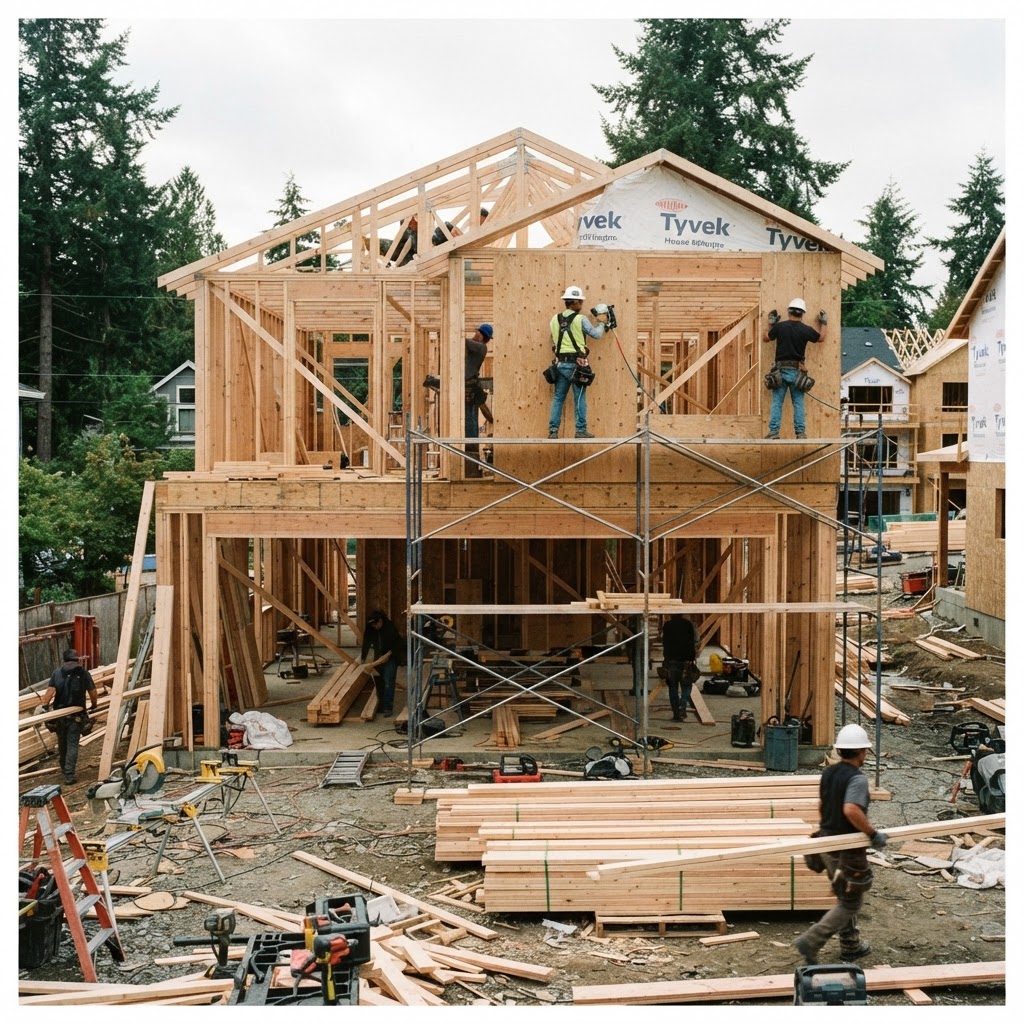
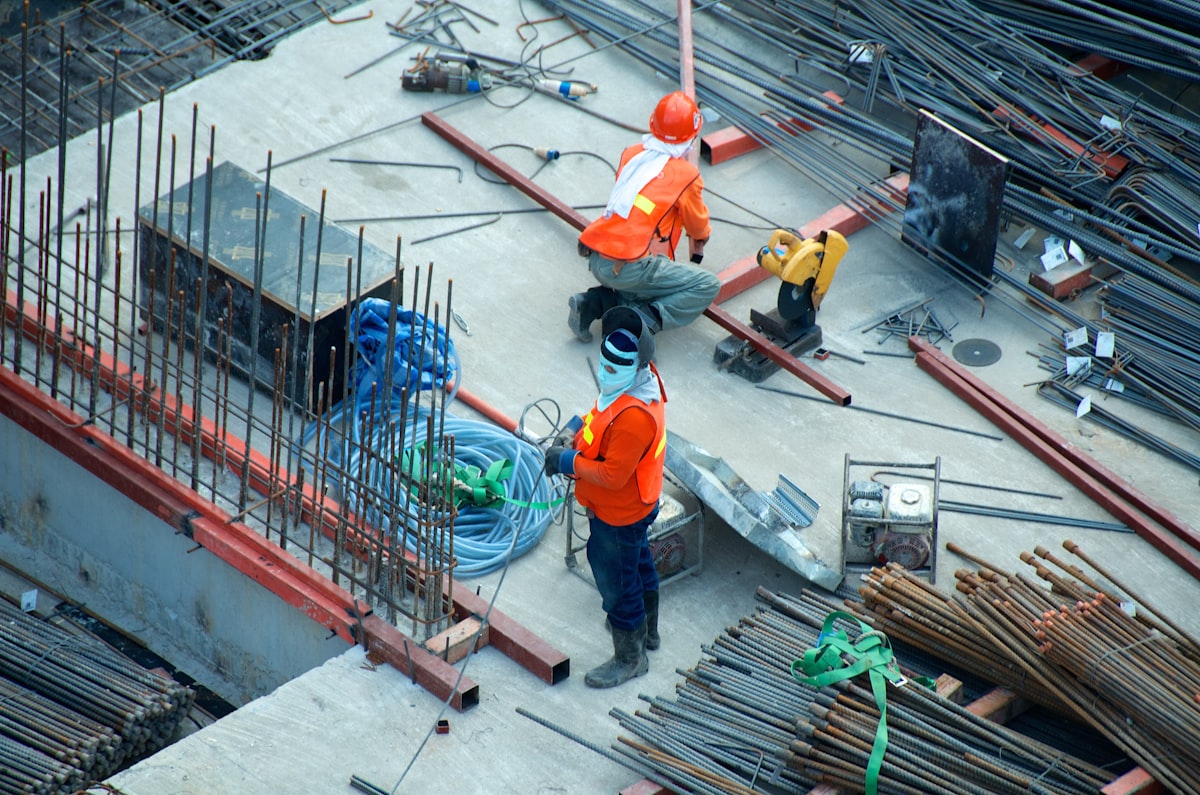
Conventional site-built construction where materials are delivered and assembled on location by skilled trades — offering maximum design flexibility and full on-site control throughout the build.
Pros
- Complete design flexibility for unique architectures
- No factory lead-time dependency — work starts when the site is ready
- Easy to adapt and modify in the field as conditions change
- Familiar process for most trades, lenders, and inspectors
- Works on virtually any site condition or access constraint
Cons
- Longer overall schedule due to sequential on-site trades
- More exposed to weather delays and seasonal conditions
- Higher on-site labor and supervision requirements
- Quality can vary with crew experience and site conditions
- More jobsite waste to manage and dispose of
When to Consider This Method
Custom or architecturally complex designs
Difficult or remote site access
Unique materials or detailing requirements
Projects where schedule flexibility is acceptable
Best Suited For
Unique architectural designsComplex site conditionsProjects needing full on-site control
Timeline
Typically the longest schedule — trades follow one another sequentially on site.
Cost Profile
Scales closely with local labor rates; less sensitive to factory slotting or logistics.
Not sure which method fits your project?
Our team can help you compare approaches and choose the right path based on your schedule, budget, site, and design.
Next method: Panelized